Book Appointment

ICSI Treatment in South Delhi – Intracytoplasmic Sperm Injection with Dr. Sunita Arora

ICSI Consultation - Dr Sunita Arora
Fertility & Gynaecology

ICSI Treatment in South Delhi – Intracytoplasmic Sperm Injection with Dr. Sunita Arora

When sperm count, movement or shape is a concern, or when eggs did not fertilise in an earlier IVF cycle, ICSI may offer a way forward. Dr. Sunita Arora, an infertility specialist with over 23 years of experience, offers consultations for ICSI at her clinics in Safdarjung Enclave and Greater Kailash II, South Delhi.

This page explains what ICSI is, who it helps, who may not need it, and what each step involves, so you can make decisions with clear information.

What is ICSI?

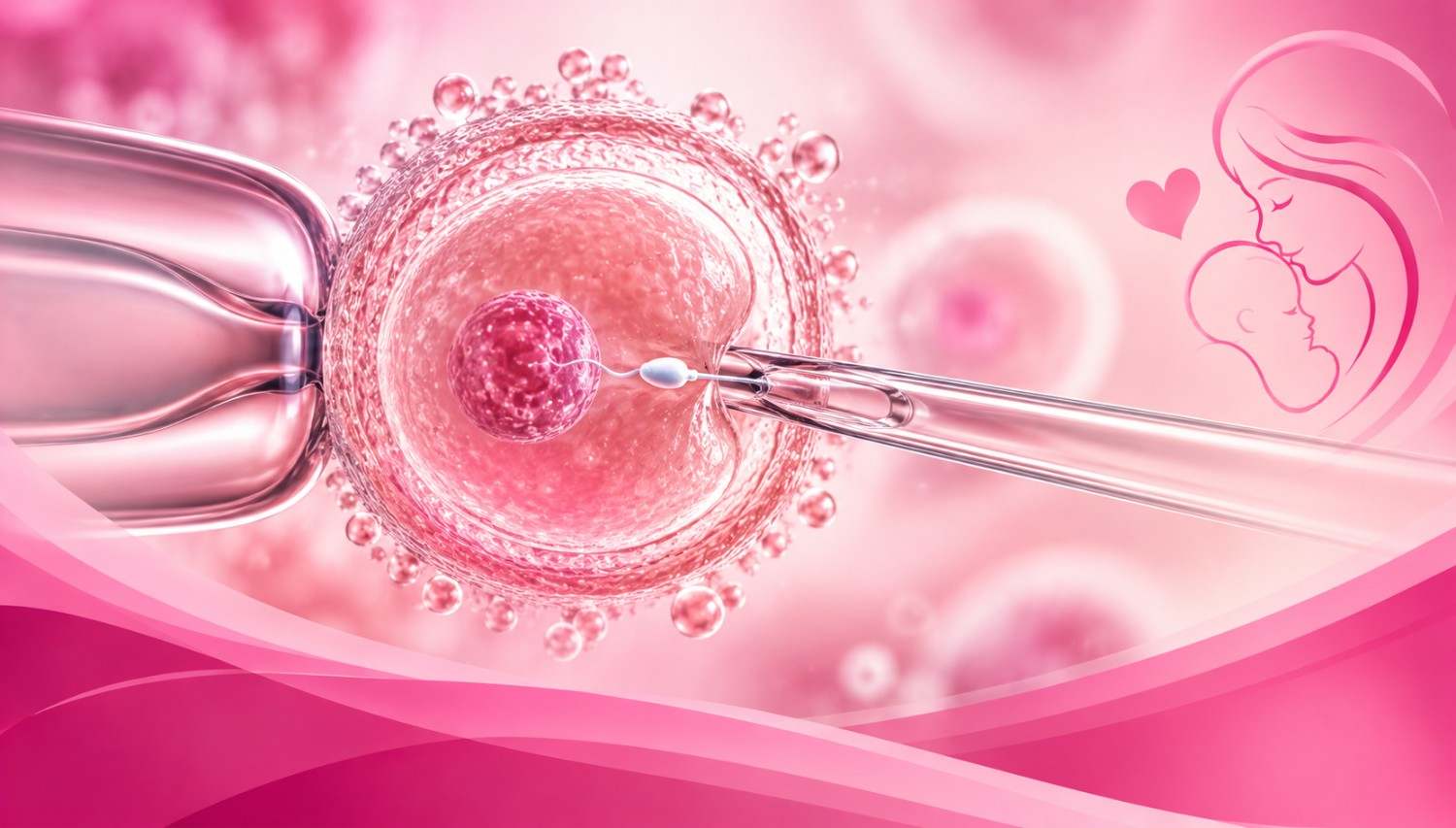
Intracytoplasmic sperm injection (ICSI) is a form of IVF in which an embryologist selects a single sperm and injects it directly into an egg under a microscope. The fertilised eggs are grown in the laboratory for a few days, and one or more resulting embryos are then transferred to the uterus. Everything else in the cycle, including hormone injections, egg collection and embryo transfer, is the same as standard IVF.

Who may benefit from ICSI?

ICSI is generally considered when:

Severe Male Factor: Sperm count is very low or the sperm move poorly or have an abnormal shape.
Previous Fertilisation Failure: Few or no eggs fertilised in a previous IVF cycle.
Surgical Sperm Retrieval: Sperm has been retrieved surgically from the epididymis or testis, for example after a blockage or vasectomy.
Frozen Sperm Limitations: Frozen sperm is of limited quantity or quality.
Genetic Testing of Embryos: Embryos will undergo genetic testing, where extra sperm on the egg surface could affect the result.

When ICSI may not be necessary

ICSI is sometimes offered routinely, but good-practice guidance from fertility bodies recommends standard IVF when there is no male-factor problem, because there is currently no good evidence that ICSI improves outcomes in that situation, and it adds cost and some additional procedural risk. ICSI also cannot make up for poor egg quality. Dr. Arora will recommend ICSI only if there is a clear reason, and she will explain that reason to you.

Evaluation before ICSI

A thorough assessment of both partners comes first. For the male partner this usually includes a semen analysis, which may be repeated, and, depending on the results, hormone tests, an examination and an ultrasound. If sperm count is very low or absent, genetic tests and counselling may be advised. For the female partner, ovarian reserve, uterine health and the fallopian tubes are assessed, as for any IVF cycle.

If sperm needs to be retrieved

When no sperm are found in the ejaculate, sperm can sometimes be retrieved directly from the epididymis or testis through a short procedure, commonly known as PESA, TESA or TESE, and then used for ICSI. This is carried out with the appropriate specialist and depends on the cause. The chance of finding sperm cannot be promised in advance, and the options will be discussed with you in detail.

The ICSI process, step by step

A clear, guided walkthrough of what to expect at every stage of your intracytoplasmic sperm injection cycle.

Step 01

1. Stimulation and monitoring

Hormone injections help the ovaries develop several eggs, while scans and blood tests track your response.

Step 02

2. Egg collection and sperm sample

Eggs are collected through the vagina under ultrasound guidance with sedation. A sperm sample is produced the same day, or previously frozen or surgically retrieved sperm is used.

Step 03

3. Injection of sperm

The embryologist injects one sperm into each mature egg. Only mature eggs can be used.

Step 04

4. Embryo development

Eggs are checked the next day to see whether they have fertilised, and the embryos are monitored for several days.

Step 05

5. Embryo transfer and pregnancy test

One or more embryos are placed in the uterus. Suitable spare embryos may be frozen. A pregnancy test follows about two weeks after the transfer.

Safety & Care

Risks and important considerations

ICSI shares the general risks of IVF, including ovarian hyperstimulation syndrome (OHSS), twins or more if several embryos are transferred, and ectopic pregnancy. Specific to ICSI, some eggs may be damaged during injection or may not fertilise. A very small number of genetic or developmental conditions have been reported in children conceived this way, and these may be linked to the underlying infertility. If a genetic cause of male infertility is found, a son may inherit it.

Dr. Arora will go through these points with you before you decide.
Supportive Care

Emotional support

Male-factor infertility can be hard for couples to talk about. It is nobody’s fault. Dr. Arora encourages both partners to attend, ask questions and take the time they need.

Counselling can help, especially after an unsuccessful cycle.

Specialist Expertise

Why consult Dr. Sunita Arora for ICSI?

Dr. Arora is a gynaecologist and obstetrician with a fellowship in reproductive medicine and IVF training at the Mount Sinai programme in New York.

Her special interests include infertility, IVF and IUI, and she runs FOGSI-accredited courses in IUI and IVF for gynaecologists.

Patients can expect personal attention, honest advice and transparency at every step.

Clinic Locations

Consult in South Delhi

You can see Dr. Arora at Dr Sunita Arora Fertility and Gynae Clinic in Safdarjung Enclave or at Fortis La Femme, Greater Kailash II.

01
Safdarjung Enclave

Dr Sunita Arora Fertility and Gynae Clinic

02
Greater Kailash II

Fortis La Femme, South Delhi

Many patients also travel from nearby areas such as Hauz Khas, Green Park and Malviya Nagar. See the Clinics page for addresses and timings.

Frequently asked questions

Find answers to common questions about intracytoplasmic sperm injection, procedure steps, and realistic expectations.

Not in every case. ICSI is valuable when sperm count, movement or shape is significantly reduced, or when eggs failed to fertilise in a previous IVF cycle. When sperm quality is normal, current evidence does not show that ICSI improves the chance of a baby, and standard IVF is usually preferred. Dr. Arora will recommend ICSI only when there is a reason for it.

No. Even though a sperm is placed inside each egg, some eggs may be damaged during the procedure and some may not fertilise or develop properly. This is more likely when egg quality is poor. Fertilisation rates and embryo development are discussed with you after each cycle.

Most babies born after ICSI are healthy. A very small number of genetic and developmental conditions have been reported, and researchers believe some may be linked to the underlying fertility problem rather than the technique itself. Long-term follow-up is ongoing. Dr. Arora will discuss this with you openly.

Sometimes. If the semen contains no sperm, a specialist may be able to retrieve sperm directly from the epididymis or testis with a minor procedure such as PESA, TESA or TESE, and use it for ICSI. Whether this is possible depends on the cause, and tests are needed first. Please confirm with the clinic which retrieval options are available.

In some cases, yes. If a clear genetic cause such as a Y-chromosome microdeletion is found, sons conceived through ICSI may inherit it. This is why genetic testing and counselling are often advised before ICSI when sperm count is very low or absent.

It varies with age, egg quality and the cause of infertility. Dr. Arora will agree a realistic plan with you and review the results after each cycle before suggesting next steps.

ICSI usually adds a laboratory charge to the cost of an IVF cycle. The overall figure depends on medicines, monitoring, any sperm retrieval and embryo freezing. The clinic can provide a written estimate at your consultation.

Overall success depends mainly on the woman’s age and egg quality, not just on the technique. ICSI helps the sperm reach the egg, but it does not improve egg quality. Dr. Arora will discuss what to realistically expect in your situation. No clinic can guarantee a pregnancy.