Book Appointment

IUI Treatment in South Delhi – Intrauterine Insemination

Fertility Consultation - Dr Sunita Arora
Fertility & Gynaecology

IUI Treatment – Intrauterine Insemination with Dr. Sunita Arora

If you have been trying to conceive for a while, it is natural to wonder what the next step should be. For some couples, intrauterine insemination (IUI) is a simple, less invasive option worth considering before moving on to IVF.

Dr. Sunita Arora, an infertility specialist with over 23 years of experience, offers comprehensive IUI consultations and personalised treatment at her modern South Delhi clinics. This guide explains what IUI is, who it suits, and what you can expect during your journey.

What is IUI?

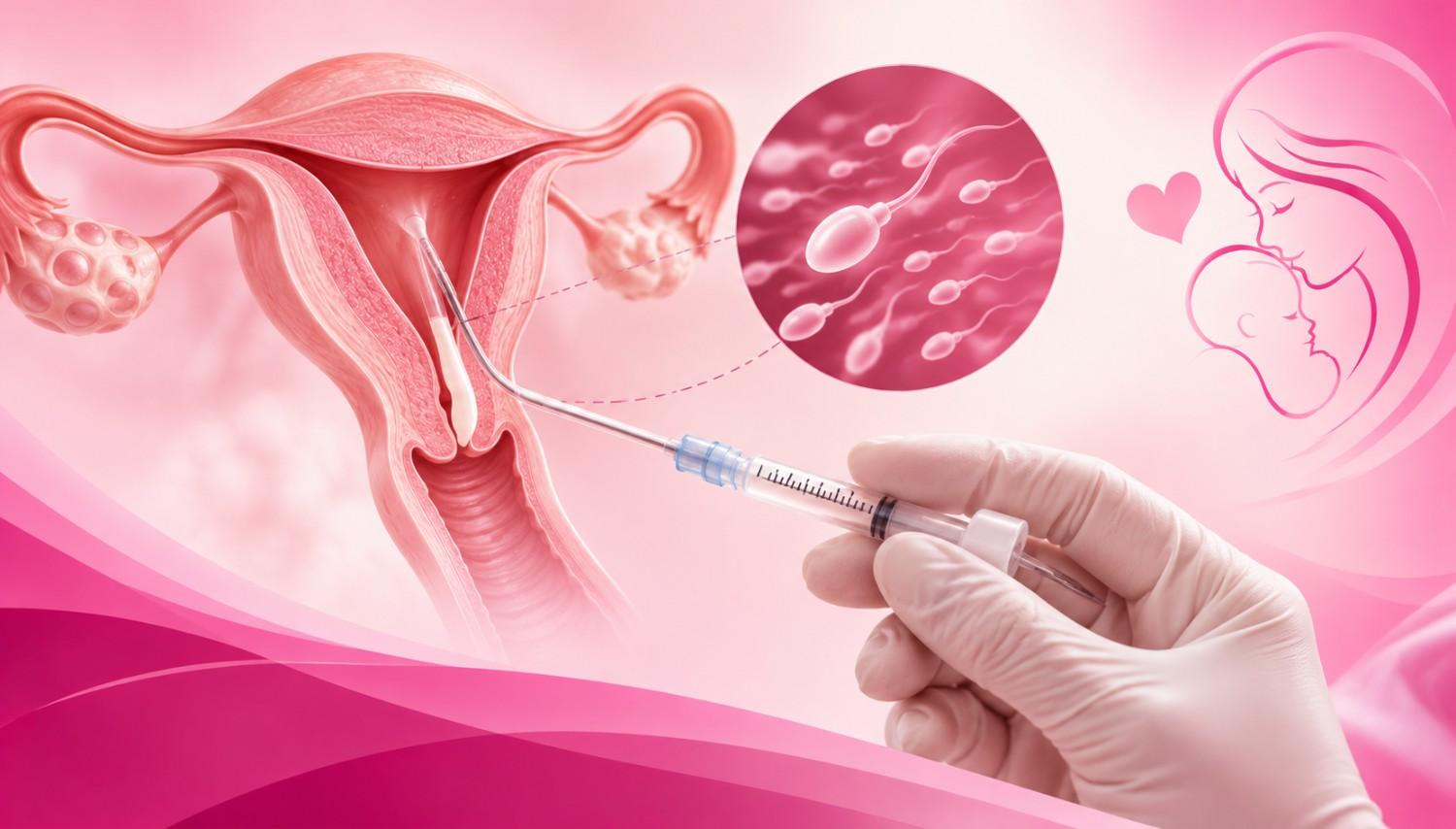
IUI is a fertility treatment in which sperm is washed and concentrated in the laboratory and then placed directly into the uterus using a thin, soft catheter. It is timed precisely with ovulation so healthy sperm are close to the egg when released. Fertilisation takes place naturally inside the body, making IUI the least invasive form of assisted conception.

Who May Benefit from IUI?

IUI is not right for everyone, and the decision depends on a full assessment. It may be considered when:

Irregular Ovulation: Ovulation is irregular, including in some women with PCOD or PCOS, and can be improved with medicines.
Mild Male Factor: The male partner has a mild reduction in sperm count or movement.
Cervical Factors: There are cervical mucus problems that make it hard for sperm to travel naturally.
Physical Factors: Sexual intercourse is difficult or not possible, for medical or personal reasons.
Donor Conception: Donor sperm is being used, for example by a single woman or a same-sex couple.
Unexplained Infertility: Infertility remains unexplained after tests. Medical guidelines differ on how helpful IUI is in this situation, so Dr. Arora will discuss the evidence with you, taking your age and how long you have been trying into account.
Important Considerations

When IUI May Not Be the Best Option

IUI relies on open fallopian tubes and a usable sample of sperm. It is less likely to work if:

  • The fallopian tubes are blocked
  • Sperm quality is severely reduced
  • There is significant or advanced endometriosis
  • The woman’s age or egg reserve makes time critical

In these situations, Dr. Arora may suggest going straight to IVF or another treatment, ensuring you do not spend valuable months on an option with a low chance of success.

Initial Assessment

Evaluation Before IUI

Before starting, both partners are thoroughly assessed. Depending on your personal medical history, this roadmap includes:

01
Semen Analysis

Assessing sperm count, motility, and overall health.

02
Ultrasound Scan

Carefully examining the health of the uterus and ovaries.

03
Hormone & Ovulation Blood Tests

Tracking vital hormone baselines and ovulation indicators.

04
Tubal Patency Confirmation

Verifying that at least one fallopian tube is open and healthy.

Dr. Arora clearly explains the clinical purpose of each test and what your results indicate, enabling you to decide on the next steps at your own comfortable pace.

How an IUI Cycle Works, Step by Step

A clear, guided walkthrough of what to expect at every stage of your intrauterine insemination cycle.

Step 01

1. Cycle planning and monitoring

Some women ovulate naturally and need only timed monitoring. Others are given ovulation-stimulating tablets or injections. Ultrasound scans track how the egg follicles are growing so the procedure can be timed accurately.

Step 02

2. Triggering ovulation

When the follicle is ready, a trigger injection may be advised to help release the egg at a predictable time.

Step 03

3. Sperm preparation

On the day of insemination, a fresh semen sample is processed in the laboratory to separate the most active, healthy sperm.

Step 04

4. The insemination

The procedure takes only a few minutes. A speculum is used, as in a routine examination, and the prepared sperm is placed in the uterus through a fine catheter. You can usually go home soon afterwards and resume normal activities as advised.

Step 05

5. Waiting and testing

A pregnancy test is advised after about two weeks. Dr. Arora will guide you on what to do if the result is positive and on the next steps if it is not.

Safety & Care

Possible risks and side effects

IUI is generally considered safe. You may feel mild cramping or notice light spotting afterwards. If fertility medicines are used, there is a risk of multiple pregnancy, and rarely of ovarian hyperstimulation or an ectopic pregnancy. Infection is uncommon. Careful scan monitoring and dose adjustment help keep these risks low.

Contact the clinic promptly if you develop severe abdominal pain, marked bloating, vomiting or fainting.
Personalised Decision

IUI or IVF: choosing the right path

Neither is better in every case. IUI is gentler and less costly but works best when the tubes are healthy and sperm quality is reasonable. IVF offers more control but involves more medication and procedures.

Dr. Arora trained in reproductive medicine and IVF, and her special interests include infertility and endoscopic surgery, so she can discuss both routes and recommend the one that fits your situation.

Frequently asked questions about IUI

Find answers to common questions about intrauterine insemination, procedure steps, and success expectations.

IUI, or intrauterine insemination, places a prepared sample of sperm directly into the uterus around the time of ovulation. This gives the sperm a shorter distance to travel to meet the egg. Fertilisation then happens naturally inside the body.

Most women find it similar to a routine pelvic examination or Pap smear. It takes only a few minutes, and mild cramping afterwards is possible. Anaesthesia is not usually needed.

This depends on your age, test results and the cause of infertility. Dr. Arora will agree a realistic number of cycles with you at the start and review progress after each one, so you are not left repeating a treatment that is unlikely to work.

In IUI, fertilisation takes place inside the body. In IVF, eggs are collected, fertilised in the laboratory and the embryo is transferred to the uterus. IVF is more involved and is usually advised when IUI is unlikely to help, for example with blocked tubes, more severe sperm problems or after unsuccessful IUI cycles.

It can for some women. If ovulation is the main problem, ovulation-inducing medicines combined with IUI may be an option, provided the tubes are open and the sperm sample is suitable. This is decided after tests.

The procedure itself is considered safe, and infection is rare. When fertility medicines are used there is a higher chance of twins or more, and, rarely, ovarian hyperstimulation or ectopic pregnancy. Careful monitoring is how these risks are kept low.

The cost depends on whether medicines, scans and injections are needed, and on how many monitoring visits are required. The clinic can give you a clear estimate at your consultation so there are no surprises.

No treatment can. Chances vary with age, the cause of infertility and sperm quality, and each cycle has a limited chance of success. Dr. Arora will discuss what to realistically expect for you.